
Selecting a commercial-grade polyurethane spray foam insulation machine requires a precise understanding of fluid dynamics, thermal transfer, and mechanical drive systems. In insulation contracting, equipment reliability directly dictates material yield, foam cell structure, and project profitability. Miscalculating machine capacity or choosing an improper proportioning system leads to chemical off-ratio spraying, costly callbacks, and severe downtime.
This technical guide evaluates the core engineering principles of polyurethane spray foam insulation machines, compares drive mechanics, breaks down fluid heating requirements, and outlines how professional contractors optimize their equipment setup for maximum return on investment.
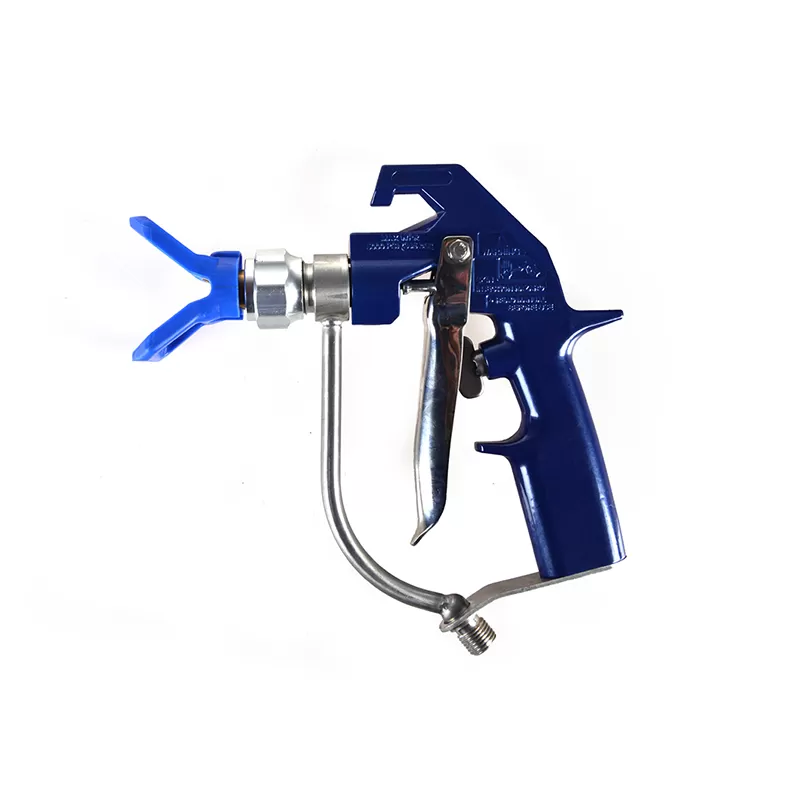
Fundamentals of Polyurethane Spray Foam Proportioning
At its core, a polyurethane spray foam insulation machine—commonly referred to as a proportioner—is a dual-component metering pump system. It is engineered to deliver Isocyanate (Side A) and Polyol resin (Side B) to a spray gun at precise 1:1 volumetric ratios under elevated pressures and controlled temperatures.
When these two chemical components mix at high velocity inside the impingement chamber of a spray gun, an exothermic reaction occurs, expanding the liquid into either open-cell or closed-cell polyurethane foam. Achieving optimal foam density and R-value depends entirely on three technical variables maintained by the proportioner:
Volumetric Precision: A strict 1:1 ratio must be maintained continuously. Fluctuations greater than 2% to 3% cause off-ratio foam, resulting in sticky, uncured materials or brittle, structural failures.
Thermal Management (Delta T): Viscosity control is essential. Polyurethane chemicals are dense and temperature-sensitive. The machine's primary heaters and heated hose lines must raise raw materials from ambient storage temperature to processing temperatures ranging between 110°F and 150°F (43°C to 65°C).
Fluid Pressure: High-pressure impingement mixing requires fluid pressures ranging from 1,000 to 2,000 PSI (69 to 138 bar) at the gun tip to guarantee complete atomization without mechanical agitators.
Machine Drive Systems: Pneumatic vs. Electric vs. Hydraulic
The internal drive system of a polyurethane spray foam insulation machine dictates its fluid pressure stability, continuous output capability, and long-term durability. Modern proportioners fall into three primary mechanical categories:
1. Pneumatic Spray Foam Machines
Pneumatic machines utilize compressed air motors to drive the chemical fluid pumps. They represent an accessible entry point for residential retrofits, rim-joist applications, and air-sealing projects.
Advantages: Lower initial capital investment, mechanical simplicity, lightweight footprint.
Disadvantages: Requires a large air compressor, prone to pressure drops at high cycle speeds, higher noise levels during operation.
Best Used For: Small-scale residential contractors and entry-level applicators requiring low-to-medium output (15–20 lbs/min).
2. Electric Spray Foam Machines
Electric proportioners employ direct-drive electric motors coupled to precision gearbox assemblies. They offer excellent pressure consistency and operate quieter than pneumatic units.
Advantages: High energy efficiency, quiet operation, accurate stroke control, eliminates the need for massive air compressors dedicated strictly to pump drive.
Disadvantages: Higher component count within the electrical control board; sensitive to severe power fluctuations on job sites.
Best Used For: Mid-sized residential and light commercial insulation contractors seeking clean power integration and consistent fluid delivery.
3. Hydraulic Spray Foam Machines
Hydraulic proportioners represent the gold standard for high-volume commercial insulation contractors. An electric motor drives a hydraulic pump, which smoothly moves the fluid proportioning pistons.
Advantages: Exceptional pressure retention throughout changeovers, minimal pressure dip at the end of each stroke, extreme mechanical durability under continuous continuous duty cycles, capable of driving output rates exceeding 30–50 lbs/min.
Disadvantages: Higher initial investment cost, heavier overall machine weight requiring dedicated trailer or box truck setups.
Best Used For: High-production commercial projects, continuous spray applications, and large-scale residential contractors prioritizing maximum daily board-foot output.
High-Pressure Impingement vs. Low-Pressure Systems
Contractors must distinguish between professional high-pressure proportioning machinery and low-pressure canister or metering systems.
High-Pressure Systems (1,000–2,000+ PSI): These machines force Side A and Side B fluids through micro-orifices inside the spray gun impingement chamber at extreme velocities. The physical collision atomizes and mixes the chemicals thoroughly without requiring static mixers. High-pressure systems yield higher R-values, precise density control, and superior foam yields, making them mandatory for structural and commercial insulation work.
Low-Pressure Systems (< 500 PSI): Low-pressure units rely on static mechanical mixing tubes attached to the nozzle tip. While suitable for spot repairs, low-density void filling, or air-sealing applications, low-pressure equipment cannot match the chemical yield, thermal efficiency, or processing speed required for full-building insulation installs.
Key Engineering Specifications to Evaluate Before Buying
Selecting a polyurethane spray foam insulation machine requires evaluating technical parameters against your target job profiles rather than simply matching price points.
Primary Heating Capacity (kW): Calculated as total kilowatt output across Side A and Side B heaters. Higher wattage provides a higher "Delta T" (temperature rise per minute), allowing contractors to spray in cold climates or run longer hose lengths without chemical temperature drop.
Maximum Hose Length: The machine's electrical transformer and pump pressure must support your target hose length. Standard setups range from 150 feet (45 m) up to 310 feet (94 m) or more for multi-story commercial work.
Fluid Output Rate (GPM / lbs/min): Determines how quickly foam can be applied. A machine rated at 30 lbs/min allows applicators to cover large surface areas rapidly, provided the primary heaters can maintain chemical temperatures at that flow rate.
Ratio Monitoring & Auto-Shutdown Systems: Advanced units feature real-time pressure transducers and flow meters that automatically shut down the machine if pressure differentials exceed safe parameters, preventing off-ratio chemical application onto building substrates.
Total Cost of Ownership (TCO) and Yield Optimization
The purchase price of a polyurethane spray foam insulation machine represents only a fraction of its total operating cost over a 5-to-10-year service life. Profitability is governed by machine uptime and material yield efficiency.
Consider chemical yield: A drum set of closed-cell polyurethane foam costs thousands of dollars. An inefficient proportioner that exhibits pressure fluctuations, improper heating, or frequent off-ratio sprays wastes material, degrades the foam’s thermal rating, and reduces coverage per drum set. Over a single season, poor machine performance can destroy tens of thousands of dollars in chemical margin.
Investing in reliable fluid equipment built with hardened pump shafts, long-life packing seals, and robust primary heating elements protects against unexpected field shutdowns and ensures maximum material yield from every drum set processed.
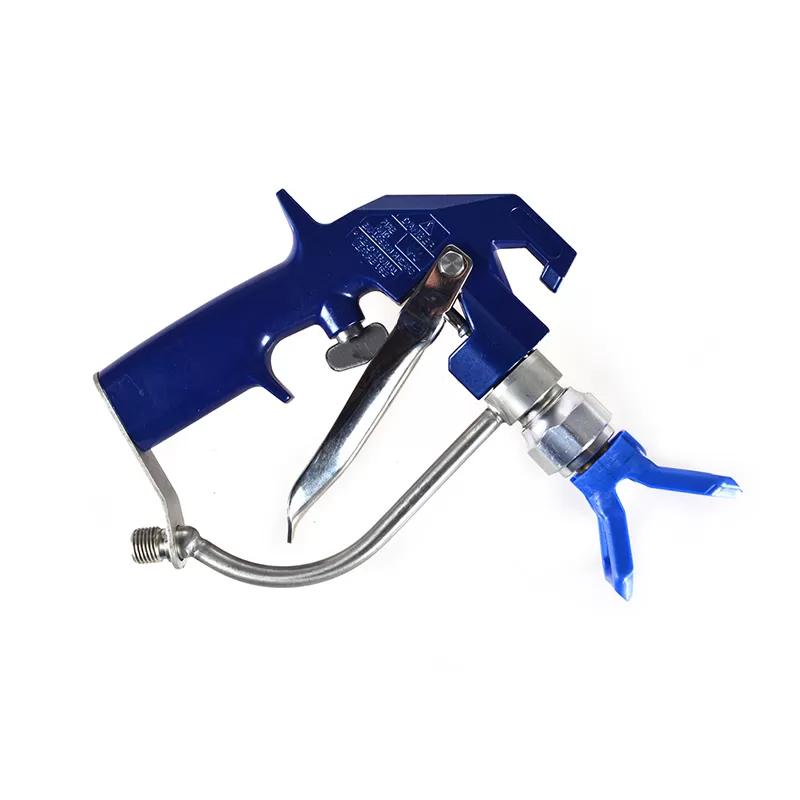
HVBAN Polyurethane Spray Foam Insulation Machines
As a global leader in high-performance fluid application machinery, HVBAN manufactures industrial-grade polyurethane spray foam insulation machines engineered for extreme working environments. Designed for rigorous daily field operation, HVBAN proportioners combine precision hydraulic and electric drive architectures with heavy-duty thermal heating blocks.
Key engineered advantages of HVBAN systems include:
Stable Hydraulic Drive Motors: Delivering smooth directional changeovers to eliminate spray pattern flickering and pressure drops at the gun tip.
High-Efficiency Direct Heating Core: Advanced heating elements ensure rapid thermal recovery, allowing precise Delta T control even in low ambient temperatures.
Integrated Pressure Differential Safeguards: Automatic sensing equipment halts operation immediately upon detecting supply starvation or ratio divergence, protecting client structures and raw material investments.
Heavy-Duty Component Engineering: Precision-machined fluid sections and wear-resistant pump seals extend routine maintenance intervals, significantly lowering lifetime operating costs.
Frequently Asked Questions (FAQ)
1. What is the difference between open-cell and closed-cell spray foam machinery requirements?
Both open-cell and closed-cell polyurethane foams can be processed using the same proportioning machine, provided the machine meets the specific heating and pressure requirements of the chemical formulation. Closed-cell foam typically requires higher fluid pressures (1,200 to 1,500+ PSI) and precise temperature control, whereas open-cell foam processes at slightly lower pressures but requires consistent flow capacity due to its higher expansion rate and volume output.
2. Why is hose heating critical for polyurethane spray foam insulation machines?
Chemical components lose thermal energy as they travel from the machine through long hose runs to the spray gun. Heated whip hoses and main hose assemblies utilize internal heating elements controlled by the proportioner to maintain target temperatures (typically 120°F–140°F) up to the point of mechanical mixing, preventing chemical thickening and improper curing.
3. How does off-ratio spraying occur, and how do modern proportioners prevent it?
Off-ratio spraying happens when one chemical side (A or B) experiences restricted flow, air cavitation, pump seal failure, or temperature imbalance, altering the required 1:1 ratio. Modern high-performance polyurethane spray foam insulation machines utilize digital pressure transducers to track fluid pressure differences continuously; if the pressure delta between Side A and Side B exceeds factory setpoints, the unit automatically triggers an off-ratio lockout.
4. What air compressor size is needed to run a spray foam rig?
While the proportioning machine itself may run on electric or hydraulic power, air is required for feed pumps, air-purge spray guns, and fresh-air safety respirators. A typical professional spray foam setup requires a rotary screw or heavy-duty two-stage air compressor providing 15 to 25+ CFM at 90 to 120 PSI.
5. What routine maintenance is required for a spray foam proportioner?
Daily maintenance includes inspecting fluid strainers, verifying Side A throat seal liquid (TSL) levels to prevent Isocyanate crystallization on pump rods, checking hose connections, and greasing gun components. Long-term maintenance involves replacing wet-cup pump packings, flushing lines during extended shutdowns, and servicing hydraulic or electrical drive units per manufacturer specifications.
Upgrade Your Insulation Contracting Capabilities with HVBAN
Investing in a high-performance polyurethane spray foam insulation machine is the single most critical capital decision for an insulation contracting business. Equipment downtime costs money, damages client relationships, and wastes expensive raw materials. HVBAN builds high-pressure proportioners designed to deliver continuous pressure stability, precise thermal management, and long-term mechanical dependability.
Whether you are outfitting a new mobile spray trailer or expanding your commercial fleet with high-output hydraulic proportioners, HVBAN provides engineered solutions tailored to your operational demands.
Contact HVBAN’s fluid machinery specialists today to review technical specifications, request an equipment quote, or find the ideal spray foam proportioning system for your business.