
Plural-component polyurethane application requires strict control over temperature, fluid pressure, and chemical ratios. Contractors running high-output proportioners deal with heavy, heated hose bundles containing fluid lines for isocyanate and polyol, high-pressure air conduits, thermocouple cabling, and protective scuff jackets. Managing these cumbersome lines manually often leads to mechanical fatigue, damaged heating elements, and costly downtime inside the mobile spray rig.
Integrating a purpose-built spray foam hose reel directly into your vehicle layout changes how fluid lines are handled during transit and field operation. Rather than dragging hundred-foot hose bundles across abrasive concrete or sharp framing edges, mechanical coiling maintains structured line organization, protects electrical continuity, and preserves the inner core tubes from premature degradation.
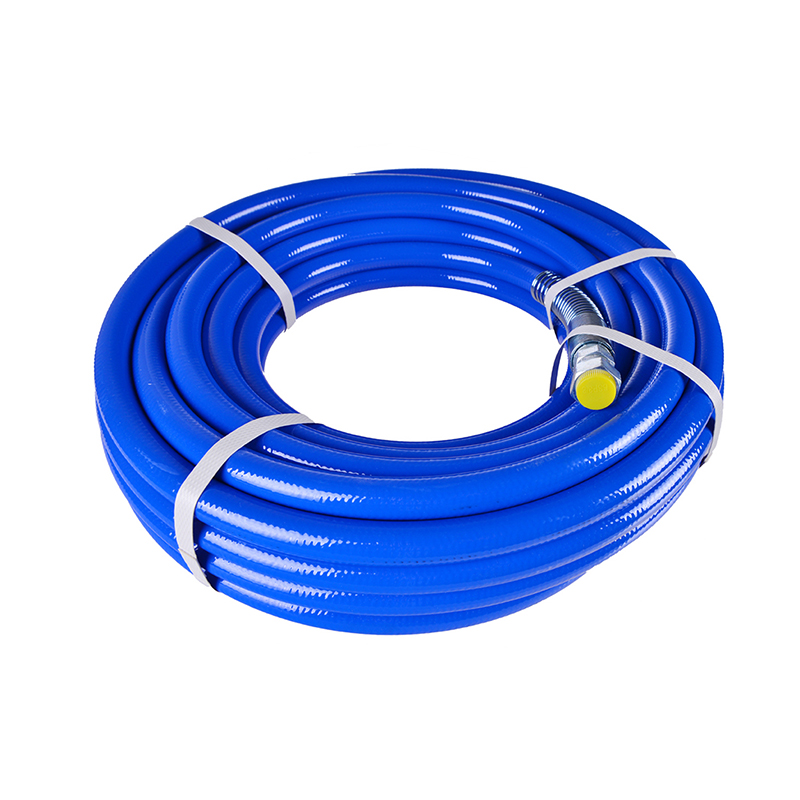
Engineering Requirements of Two-Component Heated Hose Assemblies
A standard single-line reel designed for air or water is structurally inadequate for dual-component insulation materials. Polyurethane foam processing depends on two separate chemical streams—A-side (polymeric MDI) and B-side (polyol resin blend)—that must maintain balanced temperatures up to 140°F (60°C) and operating fluid pressures ranging from 1,500 to 3,500 PSI.
The physical bundle contains multiple interior layers:
Two high-pressure nylon or PTFE core tubes reinforced with braided synthetic or stainless steel wire.
Resistance wire elements wrapped around the tubes or integrated copper heating traces.
Low-voltage temperature sensing wires (RTD or thermocouple lines) that relay real-time heat metrics back to the proportioner.
A central pneumatic line supplying clean air to the spray gun actuation chamber.
Closed-cell insulation foam wrapped around the fluid lines to prevent ambient thermal loss.
A heavy-gauge outer braided or vinyl scuff jacket protecting the entire assembly from abrasions and tears.
Bending these complex bundles over tight radiuses introduces severe shear stresses. A dedicated spray foam hose reel must feature an expanded inner drum core diameter to prevent internal wire breakage, thermal element separation, or hose crimping that restricts fluid flow.
Mechanical Architecture of Industrial Hose Reels
The structural framework of an industrial hose management unit must withstand constant dynamic loads, fluid backpressure, and the weight of up to 400 feet of filled, heated line. Choosing the correct mechanical configuration determines operational reliability on commercial job sites.
Drum Diameter and Bending Radius Management
Standard hose drums often measure between 6 to 10 inches in core diameter. Wrapping a thick plural-component bundle around such small cores introduces excessive strain on internal copper heating traces and bends the high-pressure fluid cores beyond their manufacturer-specified minimum bend radius. Commercial-grade reels feature enlarged drums—often 16 to 20 inches in diameter—distributing mechanical tension evenly and reducing continuous bending fatigue during daily storage.
Drive Mechanisms: Manual, Electric, and Pneumatic
Reeling systems are categorized by their rewind power delivery:
Direct Manual Hand-Crank: Suitable for short hose runs (under 100 feet). They lack mechanical assistance, requiring manual physical labor to wind heavy bundles. They feature manual friction brakes to prevent spool unraveling during transport.
12V / 24V DC Direct-Drive Electric: The industry standard for mobile spray trailers. These motors provide high starting torque to pull long, fluid-filled bundles directly off the ground. Equipped with circuit breakers and sealed heavy-duty foot switches, they permit single-operator rewinding without pulling on rig power generators.
Pneumatic Air Motors: Driven by the trailer’s onboard rotary screw or reciprocating air compressor. Air drives eliminate electrical ignition sources in enclosed environments, making them suitable where flammable solvent vapors or dust concentrations might be present.
Swivel Joint Engineering and Fluid Isolation
Traditional single-fluid reels route material through a central axle swivel. Plural-component spray equipment, however, cannot mix chemical streams within a common manifold. Industrial equipment designs keep the heated bundle completely intact, passing the primary lines through an open-spoke drum design or utilizing isolated dual-port high-pressure fluid swivels rated for abrasive chemical exposure.
Manufacturers like HVBAN engineer robust structural frameworks capable of withstanding the torque loads generated when high-viscosity chemicals are pumped under high pressure through long conduit paths.
Managing Fluid Viscosity and Thermal Loss
Temperature control represents one of the most difficult challenges in fluid application. Polyol formulations and isocyanates change viscosity significantly based on fluid line temperatures. Cold ambient temperatures cause the B-side resin to thicken rapidly, creating an imbalance in mix ratios at the spray gun chamber.
When hoses remain coiled on a spray foam hose reel during operation, two distinct thermal dynamics take place:
Coil Heat Retention: The layered configuration of a coiled hose bundle can trap internal heat generated by the continuous resistance heating system. If unmanaged, the interior wraps may exceed operational setpoints while the outer deployed length drops in temperature.
Current Density Across Slip Rings: When power is fed to the hose while on the drum, the continuous electrical connections must use robust slip rings or dedicated pass-through connections. Subpar electrical hardware creates resistance spikes, causing thermocouple feedback errors and inaccurate temperature regulation at the proportioner.
Proper operational procedure requires deploying the full length of hose needed for the application zone to ensure uniform heat distribution along the entire fluid line, minimizing hydraulic pressure drop between the proportioner and the spray gun.
Trailer Space Organization and Rig Safety
Mobile spray rigs are compact workspaces housing generators, air compressors, proportioners, chemical transfer pumps, and 55-gallon chemical drum sets. Disorganized hoses left in piles create significant trip hazards, block ventilation routes, and expose the lines to corrosive solvent spills or dropped hand tools.
Installing a dedicated hose management system delivers specific physical benefits to the workspace:
Vertical Space Utilization: Stacking reel assemblies vertically on reinforced structural steel frames clears floor space for chemical storage and barrel movement.
Abrasion Reduction: Pulling line off a smooth, roller-guided spool eliminates the drag friction against vehicle door frames, step edges, and rough parking lot asphalt.
Reduced Strain on Manifold Outlets: Securing the fixed hose termination to a rigid reel frame prevents lateral pulling forces from transferring directly to the proportioner's fluid manifolds, avoiding cracked fittings and chemical leaks.
Structural Durability and Material Specifications
The harsh working conditions inside a commercial spray rig require durable material specifications. Exposure to overspray, blowing dust, chemical off-gassing, and vehicle road vibration will rapidly destroy low-grade steel assemblies.
Commercial equipment requires the following material properties:
Heavy-gauge, laser-cut steel side discs with rolled edges that will not slice through the hose bundle's scuff jacket.
Industrial powder-coated finishes or zinc-plated structural components resistant to harsh solvents like acetone and methylene chloride.
Permanently lubricated, self-aligning pillow block ball bearings designed to carry substantial cantilevered radial loads.
Positive-locking pin mechanisms that secure the reel drum during transport, preventing free-spooling accidents on the road.
Leading manufacturers like HVBAN utilize structural steel construction designed specifically to handle continuous industrial duty cycles without mechanical frame distortion.
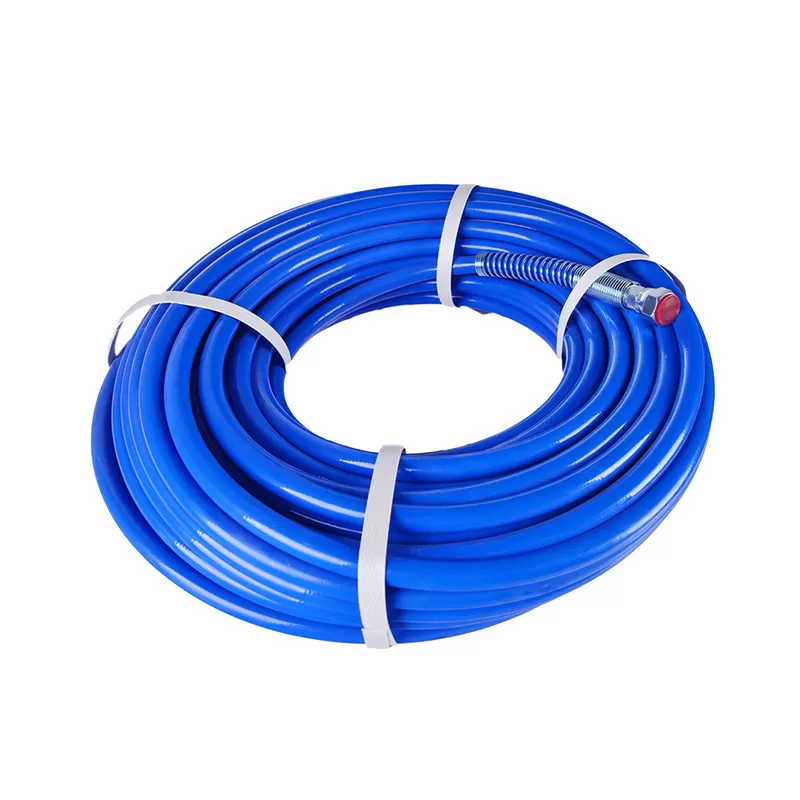
Comparison of Hose Handling Methods
Evaluating manual hose handling against mechanical coiling systems highlights substantial differences in operational productivity, labor hours, and maintenance costs.
| Operational Metric | Manual Figure-Eight Coiling | Dedicated Mechanical Reel |
|---|---|---|
| Daily Setup / Tear-Down Time | 45 - 60 minutes | 10 - 15 minutes |
| Operator Physical Fatigue | High (Repetitive heavy lifting) | Low (Powered mechanical retrieve) |
| Internal Wire Strain | Severe (Random twisting and kinks) | Controlled (Uniform bending radius) |
| Scuff Jacket Longevity | Frequent tears and abrasion wear | Protected on structural drum |
| Floor Space Footprint | Large, unpredictable floor clutter | Compact, fixed vertical installation |
Implementing a heavy-duty spray foam hose reel reduces labor costs associated with setup and teardown, translating directly into higher daily square-footage application rates on commercial building envelopes.
Frequently Asked Questions
Can a standard single-port fluid reel be modified for spray foam application?
Standard fluid reels cannot handle plural-component assemblies because they route fluid through a single internal axle channel. Two-component polyurethane requires two isolated high-pressure fluid lines, electrical wiring, and air delivery. Dual-component rigs require specialized reels with open center drums that support the entire bundle or specialized dual-passage fluid swivels.
How does a motorized reel maintain heating electrical connections?
Professional reels use dedicated pass-through openings where the power wires from the proportioner connect directly to the bundle's heating elements without breaking continuity. When slip rings are implemented, they must be rated for high continuous amperage to handle the high-wattage heating transformers found in modern proportioning systems.
What motor type is best for cold-weather spray environments?
High-torque 12V or 24V DC electric direct-drive motors are favored for cold conditions. Thickened fluids inside cold lines increase the overall weight of the assembly. Direct-drive DC gear motors generate high breakaway torque to retrieve cold, stiff hose bundles without motor stalling.
What is the minimum drum diameter recommended for heated foam lines?
Drum diameters should measure at least 14 to 16 inches. Anything smaller exerts extreme bending stress on internal heating wires and copper braided elements, which can cause micro-fractures in the internal heating circuit and localized cold spots in the line.
How do guide rollers protect the outer scuff jacket?
Four-way roller guide assemblies mounted on the reel frame or rig threshold ensure that the hose bundle glides across spinning steel or heavy polymer surfaces. This stops the bundle from dragging directly across sharp trailer door thresholds or sharp structural framing, preventing jacket rips and preserving interior insulation.
Equipment Procurement and Fluid Management Solutions
Choosing fluid handling equipment depends on hose length, rig payload distribution, and proportioner output. HVBAN supplies professional-grade spraying equipment and plural-component handling configurations built to withstand rigorous industrial job site demands.
Contact our engineering sales team to receive technical specifications, dimensional drawings, and customized wholesale quotations for your commercial fluid handling requirements.